
 1 / 9
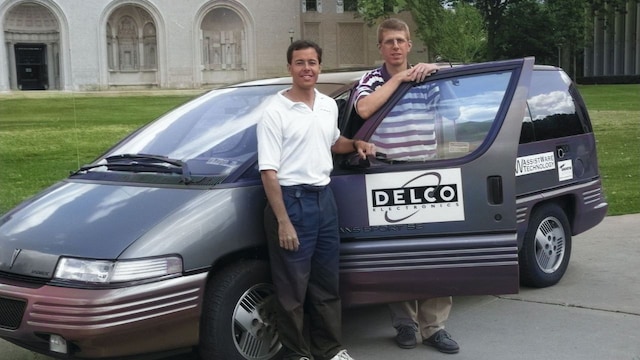
1 / 9The first robotaxi trip happened in 1995 | Carnegie Mellon researchers drove 3,000 miles from Pittsburgh to San Diego without touching the steering wheel — the first long-distance demonstration of self-driving technology (Image: Carnegie Mellon University)
 2 / 9
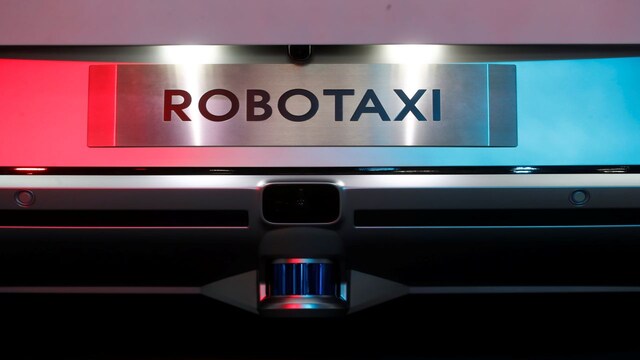
2 / 9Robotaxis now work in major cities worldwide | Robotaxis operate commercially in more than 15 US cities and more than 10 Chinese cities, with expansion underway in Europe, Japan, the Gulf and the UK. (Image: Reuters)
 3 / 9
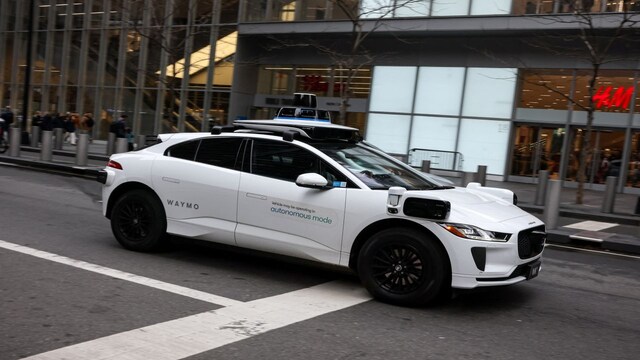
3 / 9Waymo runs the world’s biggest fleet | According to Sensor Tower, Waymo operates around 2,500 autonomous cars, making it the world’s largest active robotaxi fleet. It runs paid services in Atlanta, Austin, Los Angeles, Phoenix and the San Francisco Bay Area, with plans to double city coverage in 2025. It reached over 1 million monthly active users in April 2025, growing ten-fold within two years, showing fast user adoption. (Image: Reuters)
 4 / 9
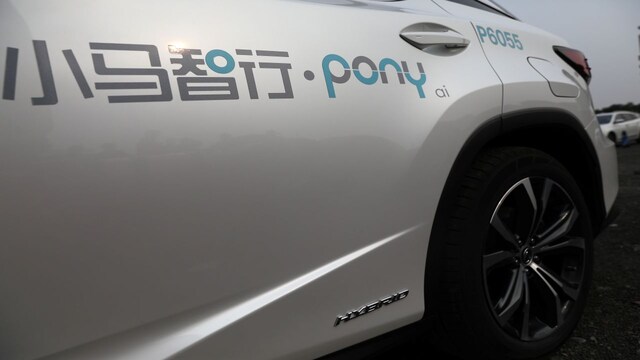
4 / 9China is scaling even faster | China’s Apollo Go has more than 1,000 robotaxis and targets 20,000 by 2027. It achieved profit per vehicle in Wuhan and runs services across multiple Chinese cities, while Pony.ai and WeRide are expanding globally. (Image: Reuters)
 5 / 9
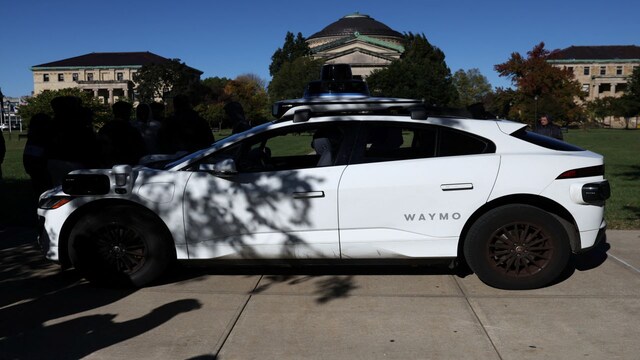
5 / 9Robotaxis already beat humans on safety | Robotaxis have shown better safety performance than human drivers, with data from Swiss Re and Waymo reporting 88% fewer property damage claims and 92% fewer injury claims, and no publicly confirmed fatalities involving major robotaxi operators up to 2025. (Image: Reuters)
 6 / 9
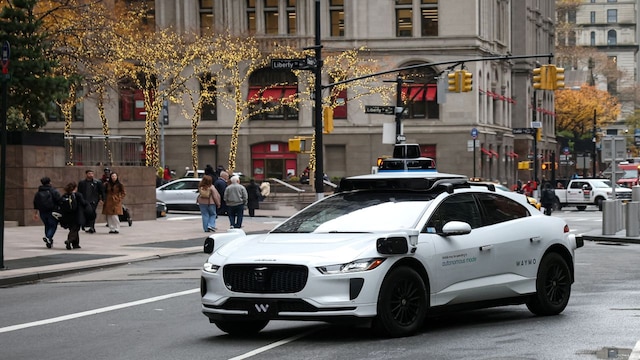
6 / 9Robotaxis still cost more to run | Robotaxis remain more expensive to run than regular transport, with operating costs in the US ranging between $7 and $9 per mile compared with $2–3 for Uber or Lyft and about $1 for owning and driving a personal vehicle, mainly due to high hardware prices, maintenance needs, and computing costs. (Image: Reuters)
 7 / 9
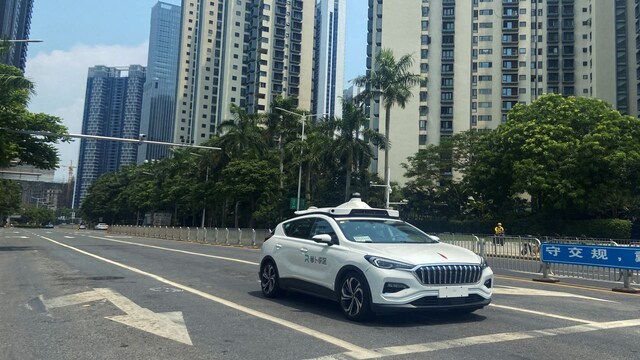
7 / 9China makes robotaxis cheaper than the US | Robotaxis in China are significantly cheaper than those in the US, with vehicle costs around $35,000–$40,000 compared with $130,000–$200,000 in the US, helped by strong government support and local manufacturing scale in China. (Image: Reuters)
 8 / 9
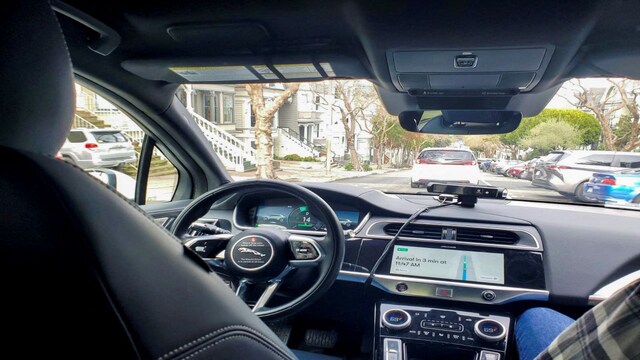
8 / 9Public trust is rising with real rides | YouGov data shows 75% of Americans do not trust self-driving taxis, but confidence rises by 56 percentage points for people who have taken a robotaxi ride. (Image: Reuters)
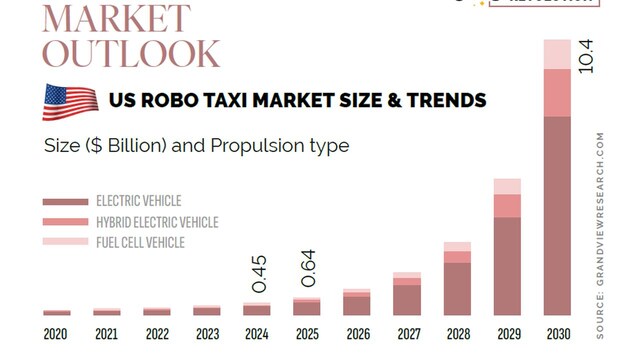 9 / 9
9 / 9The market is growing at record speed | The global robotaxi market was valued at $1.71 billion in 2022 and is projected to grow at a compound annual growth rate of 80.8% to reach $118.61 billion by 2031, driven largely by the expansion of electric robotaxi fleets.
